
The Allure of Gambling: What Draws People In
Gambling has a magnetic pull for many individuals across various demographics, and understanding the psychological allure behind this behavior is essential. The thrill of uncertainty combined with the potential for significant financial rewards creates an intoxicating mix that captivates players, especially when they consider the best betting sites available today, which enhance the excitement of their experience. This unpredictable aspect of gambling provides a rush that is often compared to the excitement of extreme sports or high-stakes situations. Players are drawn to the prospect of hitting it big, momentarily escaping their everyday realities.
The psychological concept of reinforcement plays a crucial role in gambling’s appeal. When individuals win, they receive immediate gratification, reinforcing the behavior and driving them to gamble again. This can create a cycle of gambling, where the highs of winning contrast sharply with the lows of losing, keeping players caught in a perpetual chase for the next win. Many people may view gambling as a form of entertainment, but for some, it can develop into a compulsive behavior that requires intervention.
Addiction theories provide further insight into the psychological mechanisms behind gambling. Similar to substance abuse, gambling can activate the brain’s reward pathways, leading to cravings and compulsive engagement. Neurological studies have shown that the release of dopamine during wins or even anticipating wins can create patterns akin to those seen in substance addiction. Thus, the allure of gambling is not merely about chance; it’s deeply intertwined with human psychology and brain chemistry. The combination of excitement and potential reward keeps players returning to the gaming floor, despite the risks involved.
The Role of Cognitive Biases in Gambling
Cognitive biases heavily influence gambling behavior, leading individuals to make irrational decisions. One common bias is the illusion of control, where gamblers believe they can influence the outcome of games through skill, even in purely chance-based activities. This misconception can result in players placing high-risk bets, convinced that their actions can sway the odds in their favor. Such beliefs can perpetuate gambling habits, even when faced with evidence to the contrary. The illusion of control can create a false sense of empowerment, making it difficult for players to recognize the randomness inherent in most games.
The concept of ‘gambler’s fallacy’ further complicates decision-making in gambling contexts. This bias leads players to assume that past outcomes will have an effect on future results, such as believing that after a series of losses, a win is due. This kind of thinking can encourage people to keep gambling, hoping that luck will turn in their favor, despite the randomness inherently involved in most gambling scenarios. This fallacy not only perpetuates continued gambling but can also lead to increased financial losses, as players chase after an elusive win that may never come.

Additionally, the distortion of probability is another psychological aspect that many gamblers encounter. They often overestimate their chances of winning, particularly in games that show favorable odds on the surface. For instance, a player may feel they have a better chance of beating a slot machine than reality suggests. This skewed perception can lead to continued gambling, as players rationalize their investment based on exaggerated beliefs about their odds of success. Over time, this cognitive distortion can result in significant financial consequences as players continue to gamble under false pretenses.
The Emotional Connection to Gambling
The emotional landscape surrounding gambling is complex and often fraught with conflict. For many, gambling serves as an escapist activity that alleviates stress or provides a temporary high. Engaging in gambling activities can elicit feelings of excitement, anticipation, and even euphoria, particularly during winning moments. However, these highs are often followed by lows when losses occur, leading to a rollercoaster of emotions that can be addictive. This emotional volatility can create a cycle where the highs push players to engage more deeply in gambling, while the lows trigger further gambling as a means of coping.
Moreover, the social aspects of gambling cannot be overlooked. Many individuals view gambling as a social activity, engaging with friends or family in casino environments or online gaming platforms. This communal aspect can foster a sense of belonging and shared experiences, reinforcing the behavior. However, the pressure to maintain participation in these social scenarios can lead individuals to gamble beyond their means, mirroring the highs and lows emotionally tied to their experiences. The social dynamics of gambling can sometimes obscure the risks, as the enjoyment derived from social interaction can overshadow the potential for harm.
For some, gambling can also serve as a coping mechanism for underlying mental health issues, such as anxiety or depression. In such cases, individuals may be drawn to gambling as a way to manage emotional pain or distract themselves from problems in their lives. This emotional connection can create a dangerous cycle where gambling exacerbates existing issues, leading to a reliance on gambling as a primary means of emotional regulation, rather than seeking healthier coping strategies. The intertwining of gambling and mental health highlights the need for awareness and intervention to address both aspects effectively.
The Consequences of Problem Gambling
Recognizing the consequences of problem gambling is vital for both individuals and the wider community. Gambling addiction can lead to severe financial issues, impacting not only the gambler but also their families and friends. Individuals may accumulate significant debts, leading to a cycle of borrowing and financial strain that can endure for years. Moreover, the stress from financial instability can cause rifts in personal relationships, impacting mental health and overall well-being. The financial consequences of gambling can be far-reaching, often affecting not just the gambler but also their support network.
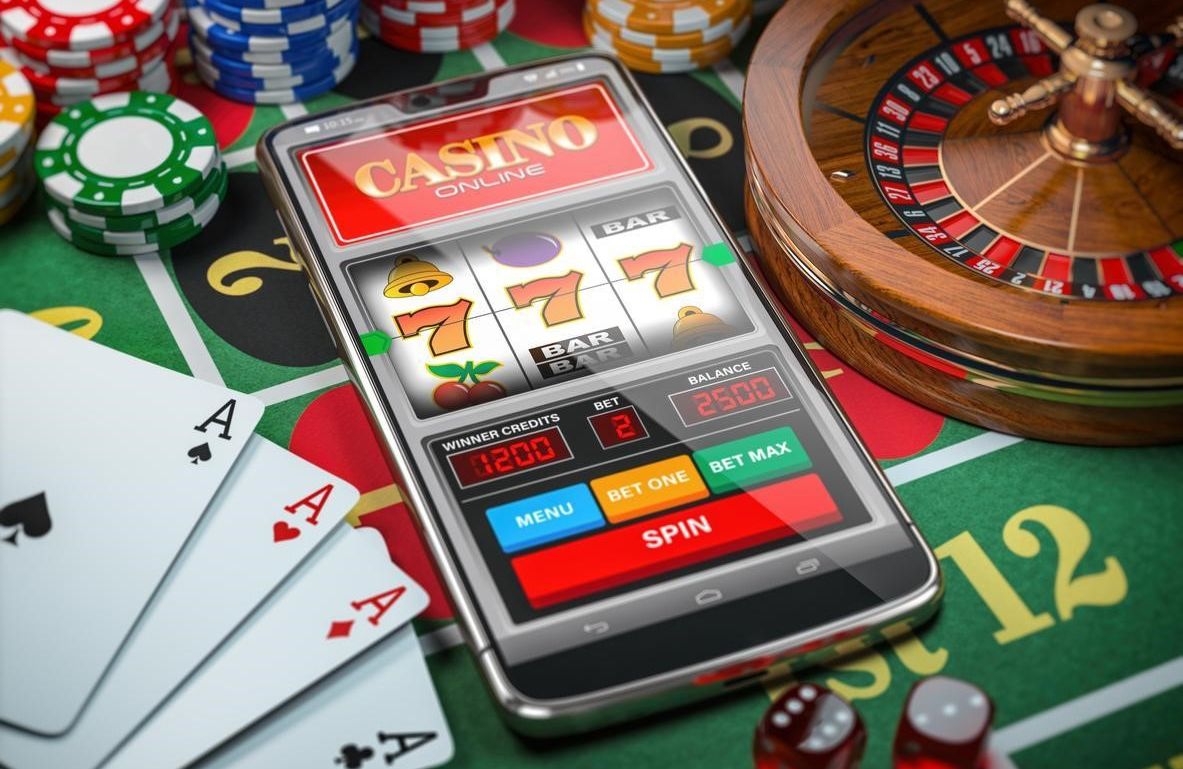
Beyond financial concerns, the emotional and psychological toll of problem gambling can manifest in various ways. Many individuals experience feelings of guilt, shame, or despair as they grapple with their gambling behavior. This emotional distress can lead to heightened levels of anxiety and depression, making it difficult for individuals to seek help or address their addiction. The isolation that often accompanies problem gambling can further compound these feelings, making recovery even more challenging. The stigma associated with gambling addiction can deter individuals from seeking the help they need, prolonging their suffering.
Interventions and support systems are crucial for those struggling with gambling addiction. Programs designed to raise awareness about the signs of problem gambling and resources available for help can provide essential pathways to recovery. Treatment options, including therapy, support groups, and financial counseling, can help individuals regain control over their lives and improve their overall mental health. Acknowledging the consequences of gambling behavior is the first step in fostering a healthier relationship with gambling, and it is essential for communities to provide the necessary support for those in need.
Exploring Responsible Gambling and Resources
Encouraging responsible gambling is vital in mitigating the adverse effects associated with gambling behavior. Responsible gambling practices emphasize moderation and self-awareness, allowing individuals to enjoy gaming activities without risking their mental health or financial stability. Education on setting limits, recognizing personal triggers, and understanding the odds involved in gambling can empower players to make informed decisions. By prioritizing responsible gambling, individuals can engage with gaming in a way that enhances enjoyment without incurring detrimental consequences.
Various organizations and support services are dedicated to promoting responsible gambling and providing assistance to those in need. These resources often include hotlines, counseling services, and educational programs that aim to raise awareness about the dangers of gambling addiction. Partnering with gambling platforms, these organizations can foster a safer environment for players and offer guidance on recognizing problematic behaviors. The availability of such resources is critical in creating a supportive network for individuals who may be struggling.
Ultimately, fostering a culture of responsible gambling benefits not only individuals but the community at large. When players are educated about the risks and enjoy their gaming experiences responsibly, it can lead to healthier relationships with gambling. As society continues to evolve in its understanding of gambling behavior, it is essential to prioritize emotionally and financially safe practices in all gaming contexts. By working together, communities can promote awareness and create a supportive atmosphere that encourages responsible choices in gambling.